
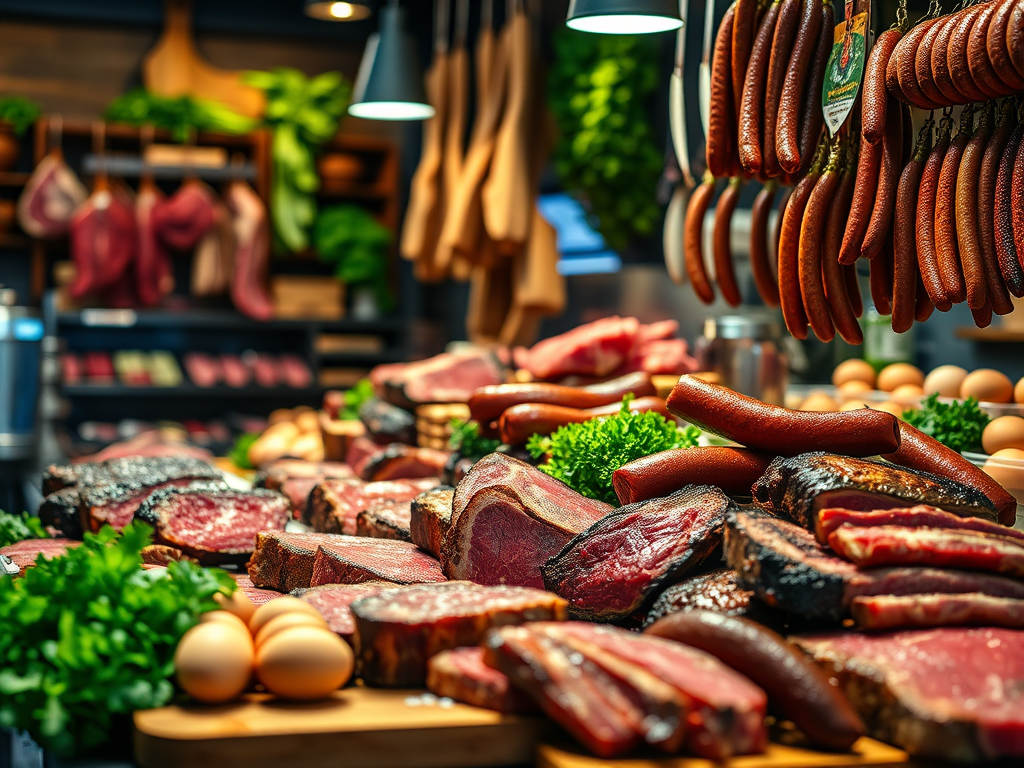
The carnivore diet, a regimen centered exclusively on animal products, has surged in popularity, driven by a growing chorus of doctors, researchers, and influencers who champion its potential to transform health. Proponents like Dr. Shawn Baker, Dr. Paul Saladino, Dr. Georgia Ede, and others argue that this meat-centric approach aligns with human evolutionary biology, offering benefits from weight loss to improved mental health. Their work, supported by anecdotal evidence and emerging studies, underscores the nutrient density of meat and challenges mainstream dietary dogma. Yet, to fully embrace this diet, sourcing high-quality meat is crucial—a task best entrusted to local butcher shops. Let’s explore the core beliefs of leading carnivore diet advocates, their scientific and anecdotal contributions, and why local butchers are essential partners in this health movement.
The Carnivore Diet: A Return to Ancestral Eating
The carnivore diet eliminates all plant foods, focusing solely on meat, eggs, and select dairy. Advocates like Dr. Shawn Baker, an orthopedic surgeon and author of The Carnivore Diet (2019), argue that humans evolved as primarily carnivorous beings, thriving on large, fatty prey for nearly two million years. Baker cites historical evidence, such as the diets of Arctic Inuit and Maasai populations, who consumed high-fat, animal-based diets with minimal plant matter and exhibited remarkable health. He emphasizes that meat provides essential nutrients like protein, B vitamins, and heme iron, which are often deficient in modern grain-based diets. Baker’s book and personal experiments, including 18 months on a carnivore diet, highlight benefits like weight loss, increased energy, and resolution of chronic conditions.
Dr. Paul Saladino, author of The Carnivore Code (2020), builds on this evolutionary argument, asserting that plant foods contain “anti-nutrients” like lectins and oxalates that may contribute to inflammation and chronic diseases such as diabetes and autoimmune disorders. Saladino, who has experimented with organ meats and lived among hunter-gatherer tribes, argues that a meat-only diet eliminates these toxins, promoting gut health and metabolic clarity. While he transitioned to an animal-based diet allowing limited fruits and honey by 2024, his core belief in meat’s primacy remains.
Dr. Georgia Ede, a Harvard-trained psychiatrist, focuses on the carnivore diet’s mental health benefits. In her 2024 book, Change Your Diet, Change Your Mind, Ede challenges the epidemiological studies linking red meat to heart disease and cancer, arguing they lack clinical trial support. She highlights meat’s role in providing bioavailable nutrients like zinc and omega-3s, which support brain function and may alleviate depression and anxiety. Ede’s work underscores the diet’s potential to stabilize blood sugar and reduce inflammation, key factors in mental clarity.
Dr. Robert Kiltz, a fertility doctor, and Dr. Ken Berry, a family physician, further amplify these claims. Kiltz’s 2023 article, “Is the Carnivore Diet Healthy? Follow the Science,” cites the 2020 Harvard Carnivore Diet Study, led by Dr. Belinda Lennerz, which surveyed 2,029 participants and found high satisfaction, improved well-being, and reduced BMI with minimal adverse effects. Berry, in Lies My Doctor Told Me (2019), debunks myths about red meat’s dangers, advocating for its nutrient density to combat obesity and diabetes. Researcher Amber O’Hearn and nutritional therapist Judy Cho also contribute, with O’Hearn’s 2020 paper in Current Opinion in Endocrinology, Diabetes and Obesity exploring the diet’s historical context and Cho’s Carnivore Cure (2020) offering practical meal plans.
Core Beliefs and Health Benefits
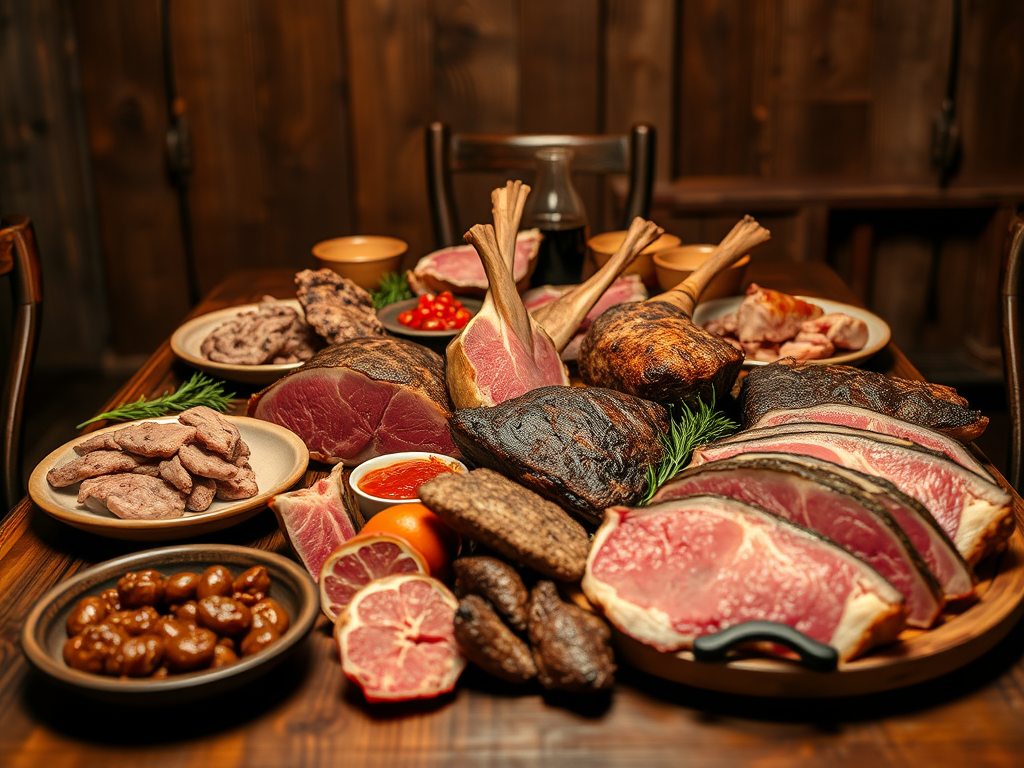
These experts share a unifying belief: meat is the cornerstone of human nutrition, offering unmatched nutrient density. Baker emphasizes simplicity—eat meat when hungry, drink water when thirsty—reporting personal improvements in strength and health after adopting the diet. Saladino highlights organ meats like liver, rich in vitamin A and choline, as critical for optimal health, countering the notion that plant foods are essential. Ede points to meat’s role in stabilizing blood sugar, reducing the glycemic spikes linked to carbohydrate-heavy diets, which can exacerbate mood disorders.
The 2020 Harvard study, a cornerstone of their advocacy, found that 95% of participants reported improved overall health, with 66–91% noting enhanced well-being and 48–98% seeing improvements in medical conditions like diabetes and autoimmune disorders. Kiltz cites anthropological studies, such as Dr. Ales Hrdlicka’s surveys of Native Americans, which found low rates of heart disease and dementia among meat-based diets. O’Hearn references Arctic explorer Vilhjalmur Stefansson’s year-long meat-only experiment in 1928, which showed no vitamin deficiencies despite excluding plants.
Critics, however, raise concerns. Mainstream sources like Harvard Health and WebMD warn of potential nutrient deficiencies (e.g., vitamin C, fiber) and elevated LDL cholesterol, which may increase cardiovascular risk. Dr. Wendy Hall, a nutritionist, notes the lack of long-term studies, arguing that anecdotal benefits may stem from reduced processed food intake rather than meat exclusivity. Despite these critiques, advocates counter that nutrient deficiencies are rare in practice, with the Harvard study reporting low adverse symptoms (e.g., <5.5% gastrointestinal issues).

The Role of Local Butcher Shops
To fully realize the carnivore diet’s benefits, sourcing high-quality meat is paramount. Local butcher shops are uniquely positioned to support this lifestyle, offering advantages over supermarket chains. Butchers provide fresh, minimally processed meats, often sourced from local farms, ensuring higher nutrient content and fewer additives like sodium, which WebMD notes can be excessive in processed meats. Kiltz emphasizes the importance of grass-fed, pasture-raised meats, which are higher in omega-3s and conjugated linoleic acid (CLA), linked to reduced inflammation.
Butchers also offer a variety of cuts, including nutrient-dense organ meats like liver and heart, which Saladino and Cho champion for their vitamin and mineral profiles. Unlike supermarkets, where organ meats are often scarce, local butchers can provide these “superfoods” fresh, ensuring maximum nutrient retention. For example, liver is rich in vitamin A, B12, and iron, which Ede notes are critical for brain health. Butchers can also customize cuts to suit carnivore dieters’ preferences, such as high-fat ribeyes or marrow bones, aligning with Baker’s emphasis on fatty meats for satiety and energy.
Supporting local butchers also aligns with the diet’s ethos of sustainability and community. Ede acknowledges the environmental concerns of industrial meat production but notes that local, regenerative farming practices reduce greenhouse gas emissions compared to mass-produced crops. By sourcing from butchers who partner with ethical farmers, carnivore dieters can minimize their ecological footprint while accessing superior meat. Moreover, butchers often provide transparency about sourcing, allowing consumers to verify the quality and origin of their food, a practice Berry encourages to avoid processed, sodium-heavy meats.

Practical Steps and Community Impact
Adopting the carnivore diet requires commitment, and local butchers can ease the transition. They offer bulk purchasing options, making it cost-effective to stock up on staples like beef and pork, as recommended by Cho’s meal plans. Butchers can also educate consumers on preparation methods, such as slow-cooking tougher cuts or rendering tallow, which Kiltz advocates for its healthy fats. This hands-on guidance fosters a deeper connection to food, aligning with the diet’s ancestral roots.
Local butchers also strengthen community ties. Unlike impersonal supermarket chains, butchers build relationships with customers, offering personalized advice and fostering a sense of shared purpose. This resonates with the carnivore community’s ethos, as seen in Baker’s “Carnivore Training System,” which emphasizes collective support. By patronizing butchers, dieters invest in local economies, supporting small businesses that prioritize quality over mass production.
Conclusion: Meat, Health, and Community
The carnivore diet, championed by Baker, Saladino, Ede, Kiltz, Berry, and others, challenges conventional nutrition with a meat-centric approach rooted in evolutionary biology. Their work, from books like The Carnivore Diet and Change Your Diet, Change Your Mind to the Harvard study, highlights benefits like weight loss, reduced inflammation, and improved mental health, though long-term research is needed. Local butcher shops are vital allies, providing fresh, nutrient-dense meats that align with these experts’ recommendations. By sourcing from butchers, carnivore dieters ensure quality, support sustainable practices, and build community—a trifecta that amplifies the diet’s potential. As Dr. Baker aptly states, “Meat is a crucial part of human nutrition”. For those embarking on this journey, a visit to the local butcher is the first step toward health and vitality.
Cannot get to a local butcher try a delivery service with excellent reviews from Premium Kansas City USDA. They provide high quality meat shipped right to your door that is just like getting it from the butcher around the corner.
 Pittsburgh Butchers Directory