Protein and Muscle Synthesis
Cheese is a dense source of complete protein, containing all essential amino acids required for muscle maintenance and growth. High protein intake supports muscle protein synthesis, which is especially important during caloric restriction or resistance training (Phillips, 2016).
Healthy Fats and Energy
Full-fat dairy products provide saturated and monounsaturated fats, which serve as primary energy sources on a low-carbohydrate, high-fat carnivore diet. These fats also support hormone production and brain function (Astrup et al., 2019).
Micronutrient Density
Dairy is a significant source of calcium and phosphorus, both critical for bone health. While a carnivore diet without dairy may fall short of calcium recommendations, adding cheese and yogurt can help bridge this gap, though not always completely (Gustin et al., 2021). Dairy also supplies vitamins A, D, E, and K, which are essential for immune and metabolic functions (Haug et al., 2007).
Bioactive Compounds
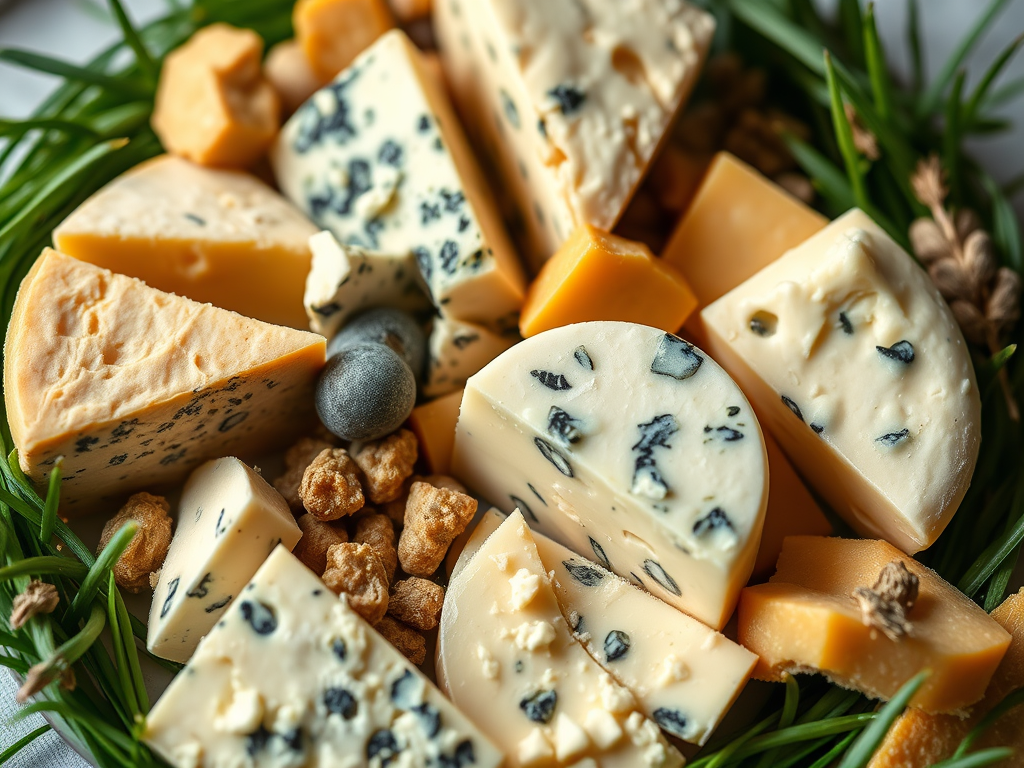
Certain cheeses, such as blue cheese and stilton, are rich in bioactive peptides like spermidine, which has been linked to anti-aging effects and reduced cardiovascular risk (Eisenberg et al., 2016). Dairy from grass-fed animals contains higher levels of CLAs and omega-3s, contributing to its anti-inflammatory properties (Kratz et al., 2013).
Immune Support
Recent research highlights the role of trans-vaccenic acid (TVA), a fatty acid found in meat and dairy from grazing animals, in enhancing the anti-tumor activity of immune cells (CD8+ T cells). Higher circulating TVA levels have been associated with improved responses to immunotherapy in cancer patients (Ma et al., 2022).
Potential Drawbacks and Considerations
Carbohydrate Content in Milk
While most cheeses are low in carbohydrates, milk contains relatively high amounts of lactose. For example, a 12-ounce glass of whole milk contains about 18 grams of sugar, making it less compatible with the low-carbohydrate aspect of the carnivore diet (USDA, 2020). As a result, strict carnivore adherents typically avoid milk in favor of cheese, butter, and cream.
Calcium and Micronutrient Gaps
Even with dairy, some carnivore meal plans may not meet the recommended daily intake for calcium. In one analysis, dairy-inclusive plans reached only 74–84% of the recommended intake for men and women, respectively (Gustin et al., 2021). Other micronutrients, such as magnesium, vitamin C, and potassium, may also remain suboptimal.
Dairy Sensitivities and Allergies
Some individuals experience digestive discomfort, inflammation, or allergic reactions to dairy, particularly to A1 beta-casein found in most conventional cow’s milk. Raw dairy, which contains more active enzymes and immunoglobulins, may be better tolerated by some, but it is still unsuitable for those with true dairy allergies (Pal et al., 2015).
Insulin and Metabolic Effects
Full-fat dairy has been shown to help balance insulin levels and increase metabolism, but some individuals may experience insulin spikes from certain dairy proteins or lactose, potentially affecting metabolic health and weight loss outcomes (Astrup et al., 2019).
Raw vs. Pasteurized Dairy: Nutritional Differences
Raw dairy products retain higher levels of vitamins (notably vitamin C), minerals, enzymes, and immunoglobulins compared to pasteurized versions. For example, raw milk contains up to 22.5 mg/L of vitamin C, while pasteurization reduces this to as low as 7 mg/L (Pfaender et al., 2016). Raw dairy also contains more vitamin A, E, iron, zinc, B vitamins, and active enzymes, which may support immune function and nutrient absorption.
Cheese and Dairy Choices for Carnivore Dieters
- Best Options:
- Full-fat, aged cheeses (cheddar, gouda, blue cheese, stilton)
- Raw butter and cream from grass-fed cows
- Unsweetened, plain yogurt (for those who tolerate it)
- Raw milk cheeses
- Options to Limit or Avoid:
- High-lactose dairy (milk, soft cheeses)
- Low-fat or fat-free dairy products
- Dairy from cows producing A1 beta-casein (unless well-tolerated)
Conclusion
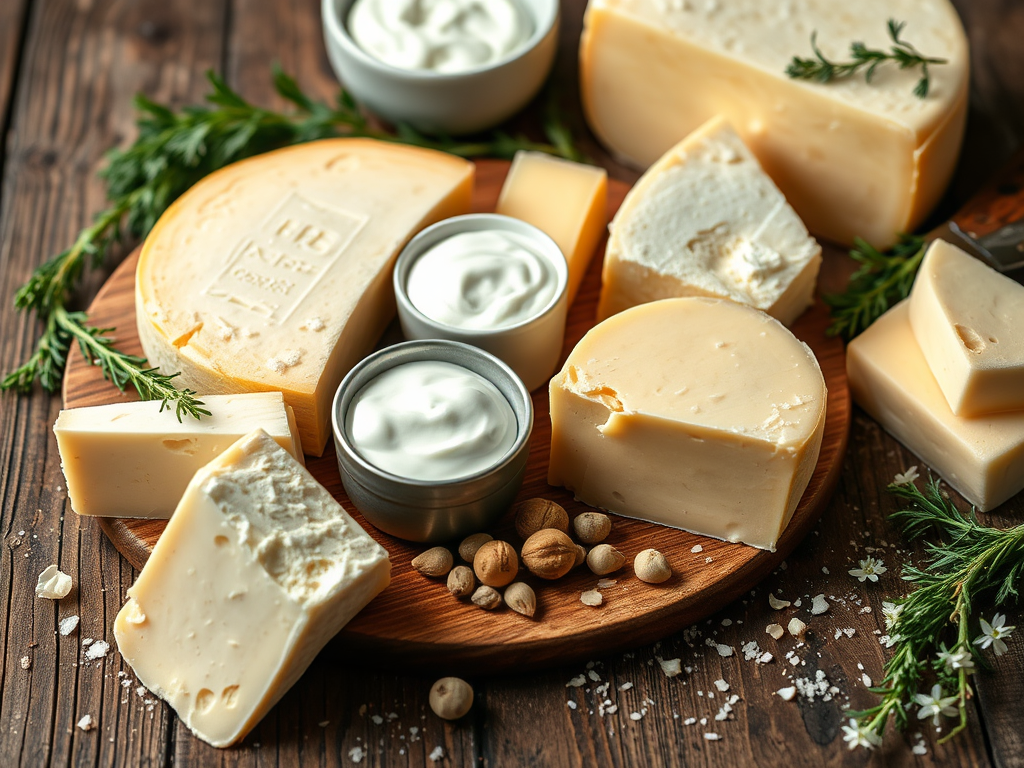
Cheese and dairy can be valuable additions to the carnivore diet, providing dense sources of protein, healthy fats, vitamins, minerals, and unique bioactive compounds. Their inclusion helps address certain micronutrient gaps—especially calcium, vitamin A, and B12—that are otherwise challenging to meet on a strict meat-only regimen. However, not all dairy is created equal: full-fat, raw, and grass-fed options are nutritionally superior and better aligned with the diet’s goals.
Despite these benefits, dairy is not essential for everyone on the carnivore diet. Individuals with lactose intolerance, dairy allergies, or autoimmune sensitivities may fare better avoiding it or choosing only well-tolerated forms. Additionally, even with dairy, some micronutrient gaps may persist, necessitating mindful dietary planning or supplementation.
Ultimately, the decision to include cheese and dairy on the carnivore diet should be individualized, considering health goals, tolerances, and nutritional needs. For many, high-quality dairy can enhance the variety, palatability, and nutritional adequacy of a carnivore approach, provided it is consumed thoughtfully and in alignment with personal health responses.
References
Astrup, A., Magkos, F., Bier, D. M., Brenna, J. T., de Oliveira Otto, M. C., Hill, J. O., … & Krauss, R. M. (2019). Saturated fats and health: A reassessment and proposal for food-based recommendations: JACC State-of-the-Art Review. Journal of the American College of Cardiology, 73(24), 2841-2856. https://doi.org/10.1016/j.jacc.2018.10.082
Eisenberg, T., Knauer, H., Schauer, A., Büttner, S., Ruckenstuhl, C., Carmona-Gutierrez, D., … & Madeo, F. (2016). Induction of autophagy by spermidine promotes longevity. Nature Cell Biology, 11(11), 1305-1314. https://doi.org/10.1038/ncb1975
Gustin, K. M., Pruitt, L. R., & Bibus, D. M. (2021). Nutrient analysis of popular carnivore diet meal plans. Current Developments in Nutrition, 5(Suppl 2), 1074. https://doi.org/10.1093/cdn/nzab054_011
Haug, A., Høstmark, A. T., & Harstad, O. M. (2007). Bovine milk in human nutrition–a review. Lipids in Health and Disease, 6, 25. https://doi.org/10.1186/1476-511X-6-25
Kratz, M., Baars, T., & Guyenet, S. (2013). The relationship between high-fat dairy consumption and obesity, cardiovascular, and metabolic disease. European Journal of Nutrition, 52(1), 1-24. https://doi.org/10.1007/s00394-012-0418-1
Ma, X., Bi, E., Lu, Y., Su, P., Huang, C., Liu, L., … & Wang, Y. (2022). Trans-vaccenic acid enhances anti-tumor CD8+ T cell responses by modulating mitochondrial function. Nature, 610(7930), 761-768. https://doi.org/10.1038/s41586-022-05385-5
Pal, S., Woodford, K., Kukuljan, S., & Ho, S. (2015). Milk intolerance, beta-casein and lactose. Nutrients, 7(9), 7285-7297. https://doi.org/10.3390/nu7095320
Pfaender, S., Heyl, K. A., Mengel, J., & Drosten, C. (2016). Impact of pasteurization on the nutritional and immunological properties of milk. Food Chemistry, 196, 393-400. https://doi.org/10.1016/j.foodchem.2015.09.074
Phillips, S. M. (2016). The impact of protein quality on the promotion of resistance exercise-induced changes in muscle mass. Nutrition & Metabolism, 13, 64. https://doi.org/10.1186/s12986-016-0124-8
U.S. Department of Agriculture (USDA). (2020). FoodData Central. https://fdc.nal.usda.gov/
 Pittsburgh Butchers Directory