
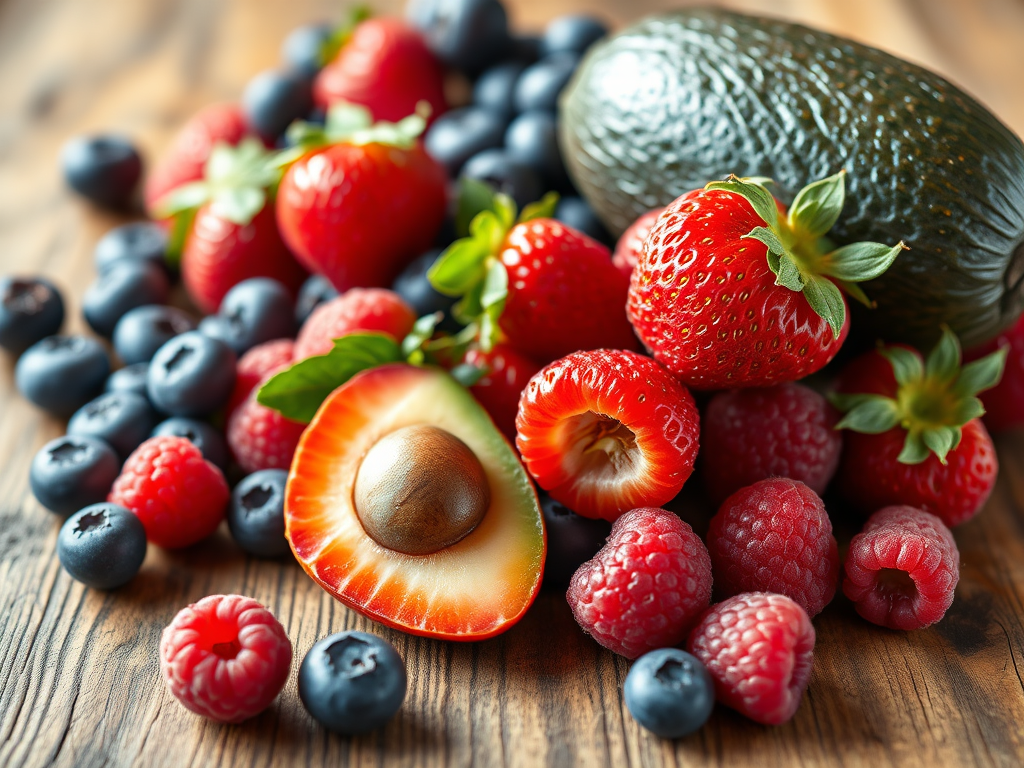
The carnivore diet, a restrictive eating plan focused on animal-based foods, has evolved to include low-sugar fruits and berries in some variations to enhance nutrient diversity. This article explores the carnivore diet, the role of berries and fruits like strawberries, raspberries, and avocados, their health benefits, risks, and fruits to avoid. It also discusses the ideal balance of fruits versus meat, eggs, and cheese, and additional considerations for adherents.
Understanding the Carnivore Diet
The carnivore diet emphasizes animal-based foods like meat, fish, eggs, and low-lactose dairy, aiming to mimic ancestral eating patterns and induce ketosis (Baker, 2018). A variation, the meat and fruit diet, incorporates low-sugar fruits to address nutrient deficiencies while maintaining low carbohydrate intake (Saladino, 2020).
Incorporating Berries and Fruits
Low-sugar berries (strawberries, raspberries, blackberries, blueberries) and fruits (avocados, kiwis, guavas) are recommended for their vitamins, antioxidants, and low carbohydrate content (Carnivore Style, 2025). These provide vitamin C, potassium, and fiber, but high-sugar fruits like bananas and mangoes should be avoided to maintain ketosis (Nutrition with Judy, 2024).
Recommended Berries and Fruits
- Strawberries: Strawberries are low in sugar (approximately 7 grams of carbohydrates per 100 grams) and rich in vitamin C, manganese, and antioxidants like anthocyanins. These compounds may reduce inflammation and oxidative stress, potentially lowering the risk of cardiovascular disease (Bondonno et al., 2021). However, strawberries contain salicylates, which may trigger sensitivities in some individuals, causing digestive discomfort or allergic reactions (Carnivore Style, 2025).
- Raspberries: With about 5 grams of carbohydrates per 100 grams, raspberries are a low-carb option rich in fiber, vitamin C, and antioxidants such as quercetin. They support digestive health and may reduce inflammation, but their oxalate content can be problematic for individuals prone to kidney stones (Carnivore Style, 2025).
- Blackberries: Blackberries offer similar benefits to raspberries, with approximately 10 grams of carbohydrates per 100 grams and high levels of fiber, vitamin C, and vitamin K. They may support bone health and immune function but, like raspberries, contain oxalates that may pose risks for those with kidney issues (Carnivore Style, 2025).
- Blueberries: Blueberries, containing around 14 grams of carbohydrates per 100 grams, are higher in sugar than other berries but are packed with antioxidants like anthocyanins, which may improve cognitive function and reduce oxidative stress (Bondonno et al., 2021). Their higher carbohydrate content requires careful portion control to maintain ketosis.
- Avocados: Technically a fruit, avocados are extremely low in sugar (less than 1 gram of carbohydrates per 100 grams) and high in healthy monounsaturated fats, potassium, and vitamin E. They support heart health and electrolyte balance, making them an excellent choice for carnivore dieters (The Primal, 2025).
- Kiwis and Guavas: Both are low in sugar (8–10 grams of carbohydrates per 100 grams) and high in vitamin C, which helps prevent scurvy—a concern in strict carnivore diets lacking plant foods. They also provide fiber and antioxidants but may cause digestive issues in sensitive individuals due to their acidity (The Primal, 2025).
Fruits to Include and Avoid on the Carnivore Diet
The following table provides a quick reference for fruits that align with the carnivore diet’s goals and those to avoid due to high sugar, anti-nutrients, or digestive concerns. Carbohydrate values are approximate, based on 100-gram servings, to help maintain ketosis.
| Fruits to Include | Carbs (per 100g) | Benefits | Fruits to Avoid | Carbs (per 100g) | Reasons to Avoid |
|---|---|---|---|---|---|
| Avocado | 1 g | High in potassium, healthy fats | Banana | 23 g | High sugar, disrupts ketosis |
| Raspberries | 5 g | Low-carb, high in vitamin C, fiber | Mango | 15 g | High sugar, fructose spike |
| Strawberries | 7 g | Vitamin C, antioxidants, low-carb | Pineapple | 13 g | High sugar, acidic, digestive issues |
| Blackberries | 10 g | Fiber, vitamin K, supports bone health | Apple | 14 g | High sugar, fructose content |
| Kiwi | 9 g | Vitamin C, prevents scurvy, fiber | Orange | 12 g | High sugar, potential ketosis disruption |
| Guava | 8 g | Vitamin C, low sugar, antioxidants | Cherries | 16 g | High sugar, salicylates cause bloating |
| Blueberries | 14 g | Antioxidants, cognitive benefits | Raisins (dried) | 79 g | Extremely high sugar, calorie-dense |
| Lemon | 9 g | Low-carb, vitamin C, minimal sugar | Grapes | 18 g | High sugar, fructose content |
| Lime | 11 g | Low-carb, vitamin C, supports immunity | Elderberries | 18 g | High oxalates, kidney stone risk |
| Cranberries (fresh) | 12 g | Low-carb, urinary tract health benefits | Black Currants | 15 g | High oxalates, salicylates, sensitivities |
Note: Even for fruits marked as safe, portion control is essential to stay within the 10–15% fruit calorie guideline (Saladino, 2020). Individuals with sensitivities or kidney issues should consult a healthcare provider before including berries high in oxalates.
Health Benefits
- Nutrient Deficiencies: Fruits like strawberries (30 mg vitamin C per 50 grams) prevent scurvy (Kiltz, 2023).
- Electrolyte Balance: Avocados and kiwis provide potassium, supporting muscle function (Saladino, 2020).
- Reduced Inflammation: Antioxidants in berries may lower inflammation (Bondonno et al., 2021).
- Metabolic Flexibility: Small fruit portions aid athletic performance (The Primal, 2025).
Risks and Considerations
The carnivore diet, even with the inclusion of fruits, carries notable risks that warrant careful consideration. The high intake of saturated fat, primarily from red meat and dairy, may elevate LDL cholesterol levels, potentially increasing the risk of cardiovascular disease, particularly in individuals with pre-existing heart conditions (Patton, 2021). A 2021 study by Lennerz et al. found that carnivore dieters had an average LDL cholesterol of 172 mg/dL, significantly above the recommended threshold of 100 mg/dL, though their HDL cholesterol and triglycerides were within healthy ranges (Lennerz et al., 2021). Additionally, the near-complete elimination of fiber due to limited plant food intake can negatively impact gut health, leading to constipation and a reduction in gut microbiome diversity, which is linked to increased risks of inflammatory bowel diseases and metabolic disorders over time (Hall, 2024). Berries, while beneficial for their antioxidants, contain oxalates that may pose risks for individuals prone to kidney stones, as high oxalate levels can contribute to calcium oxalate stone formation (Carnivore Style, 2025).
Further concerns arise when considering the diet’s long-term sustainability and its effects on specific populations. The high protein load—often exceeding 2 grams per kilogram of body weight daily—may strain kidney function, particularly in individuals with pre-existing renal conditions, as excess protein metabolism increases the kidneys’ filtration workload (Livingstone, 2022). For example, a 150-pound person on the carnivore diet might consume 120–150 grams of protein daily, far above the recommended 0.8 grams per kilogram for the general population, potentially exacerbating conditions like chronic kidney disease (Livingstone, 2022). Additionally, the diet’s restrictive nature can lead to nutrient imbalances beyond vitamin C and fiber, such as deficiencies in magnesium, folate, and phytonutrients, which are crucial for long-term health (Hall, 2024). Socially, the diet can be isolating, as it limits participation in communal meals that often include plant-based foods, potentially affecting mental well-being and adherence over time (Zelman, 2024).
Beyond health risks, practical and ethical considerations further complicate the carnivore diet’s adoption. The financial burden of consuming large quantities of high-quality, grass-fed meat can be significant, with costs often exceeding $10–$15 per pound, making the diet inaccessible for many (Zelman, 2024). Environmentally, the reliance on animal products contributes to greenhouse gas emissions, deforestation, and water usage, raising ethical concerns about sustainability and animal welfare (Lennerz et al., 2021). For individuals with specific dietary sensitivities, such as those with histamine intolerance, the diet may exacerbate symptoms, as aged meats and cheeses—common in the carnivore diet—are high in histamines, potentially leading to allergic reactions or inflammation (Nutrition with Judy, 2024). These multifaceted risks highlight the importance of individualization, regular health monitoring, and a critical evaluation of the diet’s broader impacts before adoption.
Dietary Balance
Fruits should comprise 10–15% of calories (200–300 grams daily), with 85–90% from meat, eggs, and dairy to maintain ketosis (Saladino, 2020).

Recipe: Ribeye and Berry Salad
Servings: 2
Ingredients:
- 2 ribeye steaks (8 oz each)
- 1 tbsp beef tallow
- 1 tsp sea salt
- 1/2 tsp black pepper
- 1/2 cup raspberries
- 1/2 cup blackberries
- 1 avocado, sliced
- 2 tbsp Parmesan
Instructions:
- Season steaks with salt and pepper.
- Sear in tallow over high heat for 3–4 minutes per side (medium-rare). Rest 5 minutes.
- Toss raspberries, blackberries, avocado, and Parmesan.
- Slice steaks and serve with salad.
References
Baker, S. (2018). The carnivore diet. Victory Belt Publishing.
Bondonno, C. P., et al. (2021). Dietary inflammatory index and its association with cardiovascular disease risk. Frontiers in Nutrition, 8, 123.
Carnivore Style. (2025). Carnivore diet with fruit. Retrieved from https://carnivorestyle.com
Hall, W. (2024). The carnivore diet: What eating only meat does to your health. BBC Science Focus Magazine.
Kiltz, R. (2023). The meat and fruit diet. Retrieved from https://www.doctorkiltz.com
Lennerz, B. S., et al. (2021). Behavioral characteristics and self-reported health status among 2029 adults consuming a “carnivore diet”. Current Developments in Nutrition, 5(12), nzab133.
Livingstone, K. (2022). What is the ‘carnivore diet’ and is it a bad idea? Institute for Physical Activity and Nutrition.
Nutrition with Judy. (2024). Is the meat and fruit diet healthy? Retrieved from https://www.nutritionwithjudy.com
Patton, K. (2021). Carnivore diet risks. Healthline.
Saladino, P. (2020). The carnivore code. Houghton Mifflin Harcourt.
The Primal. (2025). Carnivore diet food list. Retrieved from https://theprimal.com
Zelman, K. M. (2024). Carnivore diet review: Benefits, downsides, and sample menu. WebMD.e diet food list. Retrieved from https://theprimal.com
Zelman, K. M. (2024). Carnivore diet review: Benefits, downsides, and sample menu. WebMD.Carnivore diet food list. Retrieved from https://theprimal.com
 Pittsburgh Butchers Directory